
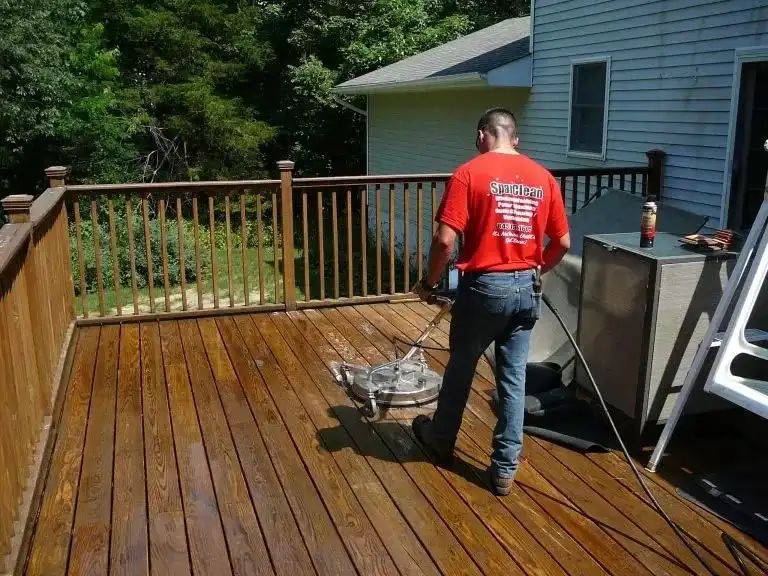
You see dirt, mold, and grime building up on your driveway, siding, or deck, and no matter how hard you scrub, it doesn’t come clean. That’s where pressure washing makes a difference. This method uses high-pressure water to remove built-up debris, stains, and pollutants from many surfaces around your home or business. Pressure washing restores surfaces efficiently and helps protect them from long-term damage caused by dirt and moisture.
You can use pressure washing to clean concrete, brick, wood, or metal surfaces safely when you understand the right equipment and techniques. Knowing how much pressure to use, which nozzle to choose, and when to use hot or cold water can make all the difference between a clean surface and a damaged one.
Whether you want to maintain your property’s appearance or prepare surfaces for painting, learning the fundamentals of pressure washing gives you the confidence to do the job right. This guide will help you understand the process, stay safe, and get professional-looking results.
Pressure Washing Fundamentals
You use a pressure washer to remove dirt, mold, and grime from surfaces using a strong stream of water. The process depends on the right balance of water pressure, nozzle type, and cleaning technique to avoid damage while achieving a clean finish. Understanding how the machine works and how to adjust settings improves cleaning results and safety.
How Pressure Washing Works
A pressure washer uses a motor or engine to power a pump that forces water through a hose and nozzle at high pressure. The water stream loosens and removes dirt, mildew, and stains from surfaces like concrete, siding, and decks.
You can use either cold or hot water, depending on the cleaning task. Cold water is suitable for most home surfaces, while hot water helps remove oil or grease.
The washer’s nozzle controls the spray pattern and pressure. A narrow spray provides more force for tough grime, while a wider spray is gentler for delicate materials.
Always test a small area first to ensure the pressure level is safe for the surface.
Pressure Washing vs. Power Washing
Pressure washing and power washing both clean surfaces using high-pressure water, but they differ in water temperature. Pressure washing uses cold or room-temperature water, while power washing uses heated water.
Hot water in power washing breaks down grease, oil, and stubborn dirt faster. It’s often used for commercial cleaning or heavy-duty jobs such as driveways and machinery.
Pressure washing is better for materials like wood, vinyl, and painted surfaces that could be damaged by heat.
| Method | Water Temperature | Best For | Typical Use |
| Pressure Washing | Cold or warm | General cleaning | Homes, decks, fences |
| Power Washing | Hot | Grease, oil, heavy grime | Driveways, industrial areas |
Choosing the correct method depends on the surface type and the level of buildup you need to remove.
Selecting the Right Pressure Washer
Pressure washers come in electric and gas-powered models. Electric washers are quieter and better for light cleaning tasks like patios or vehicles. Gas-powered models produce higher pressure, making them suitable for large areas or tough stains.
When choosing a washer, consider the PSI (pounds per square inch) and GPM (gallons per minute). Higher PSI means stronger pressure, while higher GPM means more water flow.
For most home use, a washer between 1,500–2,800 PSI works well. Commercial jobs may require 3,000 PSI or more.
Check that the model includes interchangeable nozzles and a detergent tank for flexible cleaning options.
Understanding PSI and Nozzle Types
PSI measures how much pressure the washer produces. Too much pressure can damage surfaces, while too little may not clean effectively.
Use this quick guide for common tasks:
| Task | Recommended PSI | Nozzle Angle |
| Cars, windows | 1,200–1,900 | 40° |
| Decks, fences | 1,500–2,500 | 25° |
| Concrete, brick | 2,500–3,000 | 15° |
| Heavy stains or paint removal | 3,000+ | 0° |
Nozzles are color-coded by angle: red (0°) for pinpoint cleaning, yellow (15°) for heavy-duty tasks, green (25°) for general use, and white (40°) for gentle cleaning.
Selecting the correct PSI and nozzle ensures you clean efficiently without harming the surface.
Surface Preparation and Safe Cleaning Practices
Proper surface preparation and safety steps help you clean effectively without damaging your property or risking injury. Using the right pressure settings, nozzles, and protective gear ensures each surface, from vinyl siding to stucco, gets cleaned safely and efficiently.
Prepping Different Surfaces: Vinyl Siding, Stucco, and More
Different materials need different cleaning methods. Vinyl siding can handle moderate pressure, while stucco requires a gentler touch to prevent cracks or surface erosion.
Inspect each area for loose paint, damaged siding, or open gaps before starting. Cover electrical outlets, vents, and light fixtures with plastic sheeting. Move outdoor furniture and potted plants away from the work zone or cover them with tarps.
Use this quick reference table:
| Surface Type | Recommended PSI | Nozzle Angle | Notes |
| Vinyl Siding | 1,300–1,600 | 25°–40° | Avoid spraying under panels |
| Stucco | 1,000–1,200 | 40° | Use low pressure and a gentle detergent |
| Brick/Concrete | 2,500–3,000 | 15° | Pre-treat stains before washing |
Test a small, hidden area first to confirm that the pressure washer nozzle and detergent are safe for the surface.

Step-by-Step Pressure Washing Techniques
Start by applying detergent with a low-pressure setting. Let it sit for 5–10 minutes to loosen dirt and grime. Keep the surface wet to avoid streaking or residue buildup.
Hold the pressure washer nozzle about 12–18 inches from the surface. Spray using smooth, overlapping strokes, moving side to side or top to bottom depending on the surface.
When rinsing, use clean water at a slightly higher pressure. Always rinse from the top down to prevent streaks. Avoid holding the spray in one spot too long, as this can cause etching or surface damage.
Safety Gear and Precautions
Wear protective gear such as goggles, gloves, and closed-toe shoes. Eye protection prevents debris and water from causing injury. Non-slip footwear helps you stay stable on wet surfaces.
Avoid using a ladder while operating a pressure washer. The kickback from the spray can cause loss of balance. Instead, use extension wands for higher areas.
Keep electrical cords and outlets dry. Never point the spray at people, pets, or windows. Before starting, check all hose connections for leaks and ensure the machine is on a stable, level surface.
Frequently Asked Questions
Exterior pressure washing helps maintain concrete, siding, and other exterior surfaces when done correctly. Using the right pressure, cleaning agents, and safety practices ensures effective cleaning without causing damage to your property.
What is the optimal PSI (Pounds per Square Inch) for cleaning concrete surfaces?
For most concrete surfaces, a pressure range between 2,500 and 3,000 PSI works best. This level removes dirt, oil, and stains without damaging the surface. Use a wide-angle nozzle to spread the pressure evenly and test a small area before cleaning large sections.
How often should residential exteriors be pressure-washed for maintenance?
You should pressure wash your home’s exterior once a year under normal conditions. Homes in humid or dusty areas may need cleaning every 6 to 8 months. Regular washing prevents mold, mildew, and grime from building up and helps preserve your home’s appearance.
Can pressure washing damage window seals or other delicate home features?
Yes, high pressure can harm window seals, screens, or painted trim. Use a low-pressure nozzle and keep a safe distance when cleaning near glass or soft materials. Avoid spraying directly at seams, vents, or joints to prevent water from seeping into unwanted areas.
Is it necessary to use cleaning solutions in conjunction with pressure washing, or is water alone sufficient?
Water alone can remove light dirt, but mild detergents improve results on surfaces with algae, grease, or heavy buildup. Choose biodegradable cleaners that are safe for plants and surfaces. Always rinse thoroughly to prevent residue from drying or leaving streaks.
What safety precautions should be taken when operating a pressure washer?
Wear eye protection, gloves, and closed-toe shoes. Never point the spray at people, pets, or electrical outlets. Keep both hands on the wand for control, and avoid using ladders, as the recoil can cause loss of balance. Always follow the manufacturer’s safety instructions.
How does pressure washing affect the longevity of siding and paintwork on a home?
When performed correctly, pressure washing extends the life of siding and paint by removing dirt and contaminants that cause wear. Using too much pressure, however, can strip paint or force water behind panels. Adjust the pressure to match the surface type and maintain a consistent distance while cleaning.